G A M E D E S I G N PORTFOLIO
LUCA F. TREDER 2026
I have made my Degree in Game Design, but the real world is the better teacher for the development of good and creative Videogames. My interests and passions reach from additional Skills in 2D- and concept art, to storytelling and writing. I am passionate about turning ideas into playful experiences and constantly learning new things in the process. I enjoy creativity, but to be satisfied, I need to feel progress in my work. I'm also a very analytical person who likes to organize everything.
Contact: Lutremes@gmail.com
-
German (native language)
English (Fluent in speech and writing)
-
Strong sense of order, reliability, innovative spirit, strong communication skills, willingness to learn
-
Krita
Photoshop
Unreal Engine 5
Unity
-
2D-Art
Concept Art
C++ (Beginner)
UE5 Blueprints
-
Game Design
Systems Design
Quest/Content Design
Storytelling
Art


THE IMMORTAL ROUTINE - Arena Survival / Horde Mode | Isometric Perspective - 2025
Project Overview
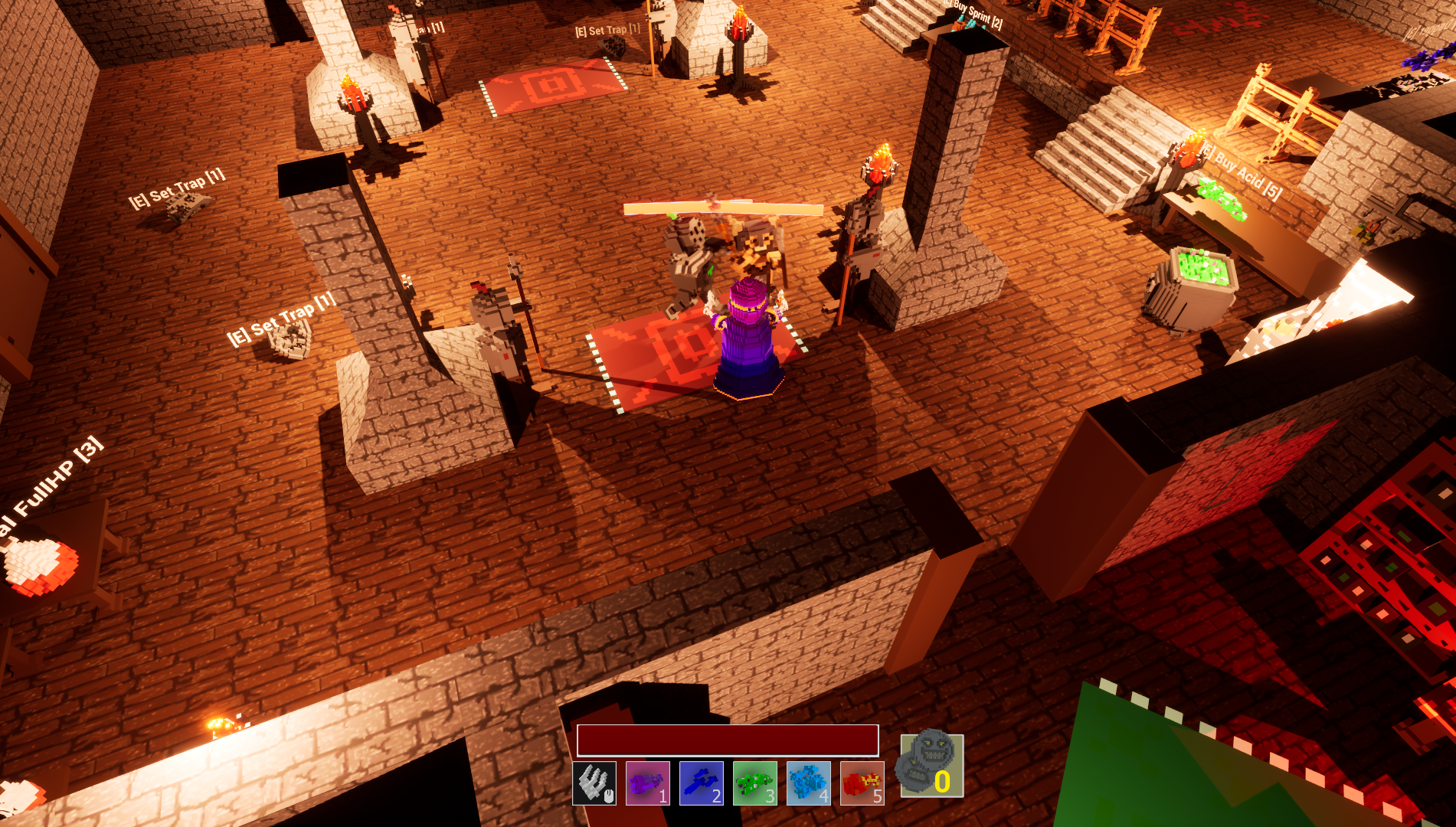
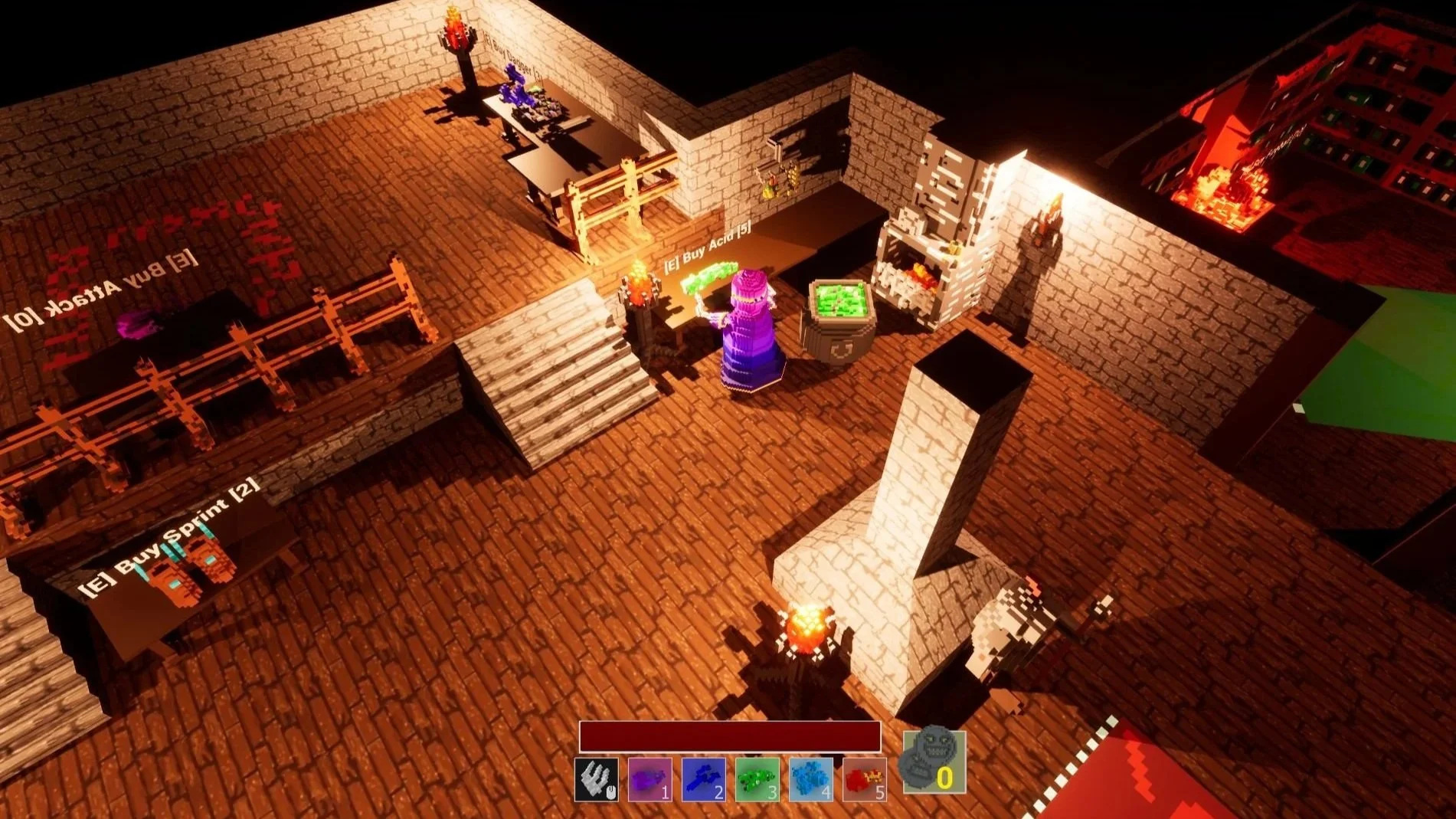
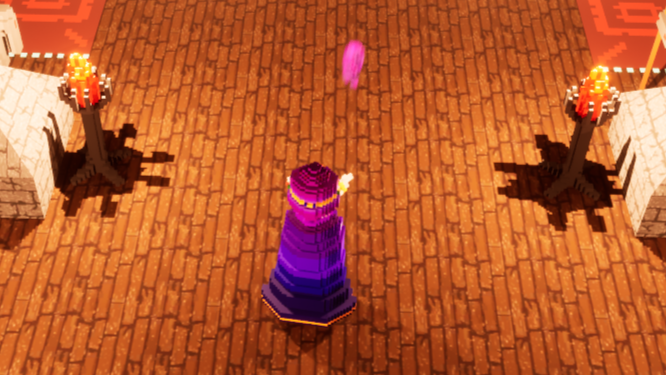
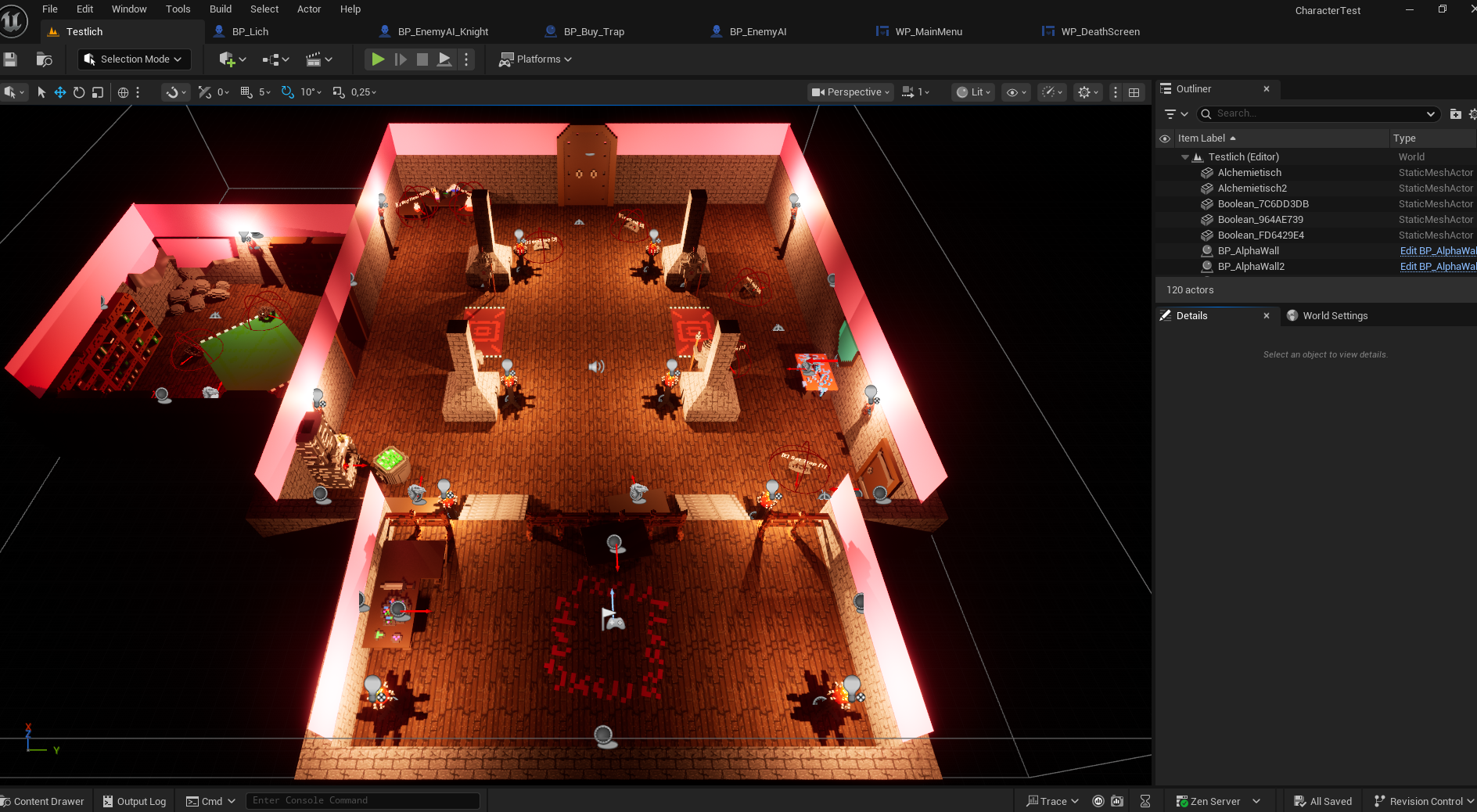
The Immortal Routine is an isometric arena-survival game in which players take on the role of an ancient lich, trapped in an endless cycle of defense, decay, and power. From a dark lair, the lich fends off relentless waves of heroes and adventurers determined to end its reign.
Between assaults, players unlock forbidden abilities, expand their power, and adapt their strategy. Each wave increases pressure and complexity, forcing constant adaptation and reinforcing the theme of an eternal, ritualized cycle of undeath.
Role & Team
Role: Game Designer & Programmer
Team Size: 3 people ( 1 x 3D Artist & Animator / 1 x 3D Artist / 1 x Game Designer & Programmer)
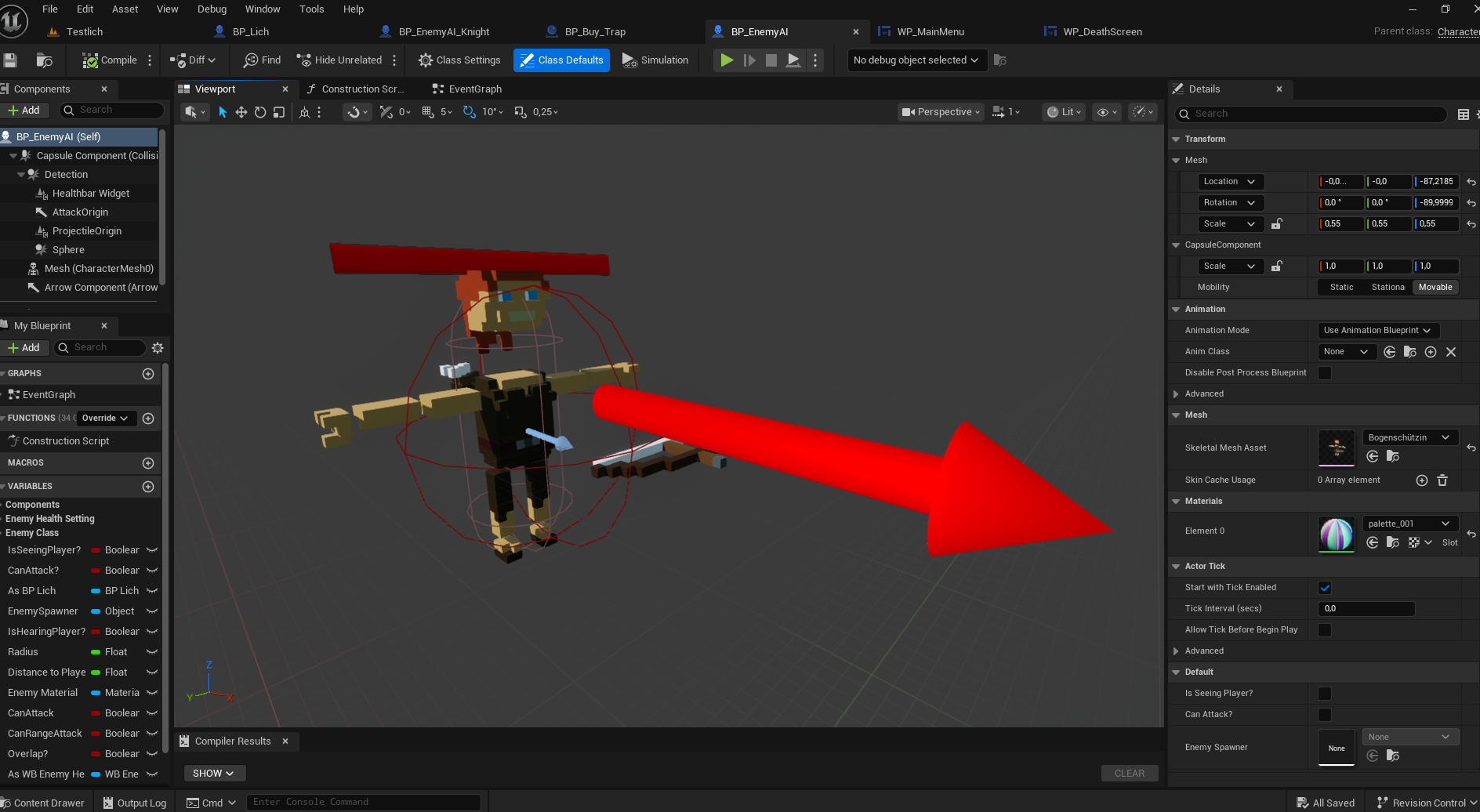
Responsibilities: I was responsible for the entire game design, the system architecture, and the full implementation of the game inside the engine. All gameplay systems, mechanics, and technical structures were designed and implemented by me.
Design Goal
The main goal was to create an arena-survival experience that relies on meaningful player decisions, not just escalating numbers.
The player should:
constantly feel pressure
be required to actively adapt their build
experience a sense of ritual and repetition
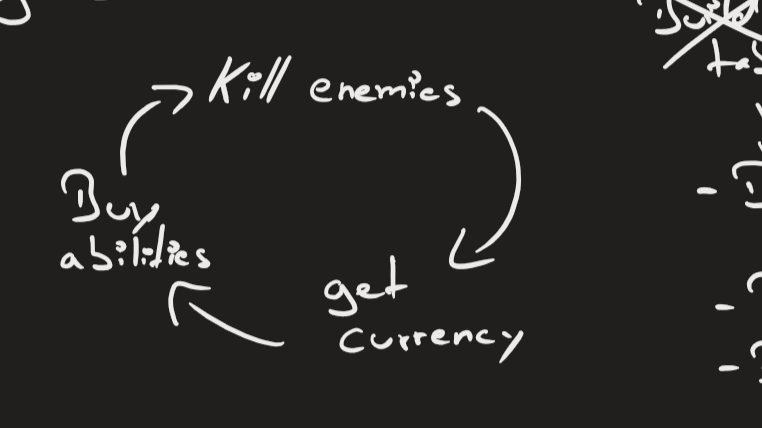
Core Gameplay Loop
Wave begins – Heroes attack the lich from multiple random directions
Fight Heroes with abilities – Survival depends on tactic and timing
Wave ends – A brief moment to recover
Progression phase – Unlock or upgrade abilities and systems
Difficulty escalation – Stronger enemies, higher threat density
Next wave begins – The cycle repeats
The loop was intentionally designed to be compact and repeatable, reinforcing the feeling of an endless routine.
Systems Design & Progression
A key design challenge was maintaining long-term motivation in an endless game mode.
Design Decision: Instead of traditional leveling, a modular ability-driven progression system was implemented.
Progression is ability-driven and not numerical based
Players make faster and hands-on decisions for progression (perfect for the time pressure)
Systems interact with one another (cooldowns, resources, area control)
Trade-off:
Progression system is not as deep, compared to a numerical based one
Abilities & Combat Design
The lich’s abilities were designed to:
reward area control, crowd control, and positioning
support multiple playstyles (defensive, aggressive, control-focused)
remain readable even at high enemy densities
Each ability serves a clear purpose within the overall system, preventing mechanical overload.
Playtesting & iteration
Early playtests revealed:
players underestimated difficulty escalation
Hit-and-Run Tactics became dominant
Adjustments:
more even difficulty escalation
We embraced the Hit-and-Run behavior -> increased Playerspeed and rebalanced the abilities
clearer visual feedback during high-threat moments
These iterations improved pacing and increased meaningful decision-making per wave.
Key Learnings
Endless modes require systemic depth, not just numerical scaling
Clear gameplay loops help unify theme and mechanics
Strong system architecture significantly speeds up iteration

BLOCKFALL - Dodging Game / Obstacle avoidance Game / Arcade Survival | Top-Down - 2025
Project Overview
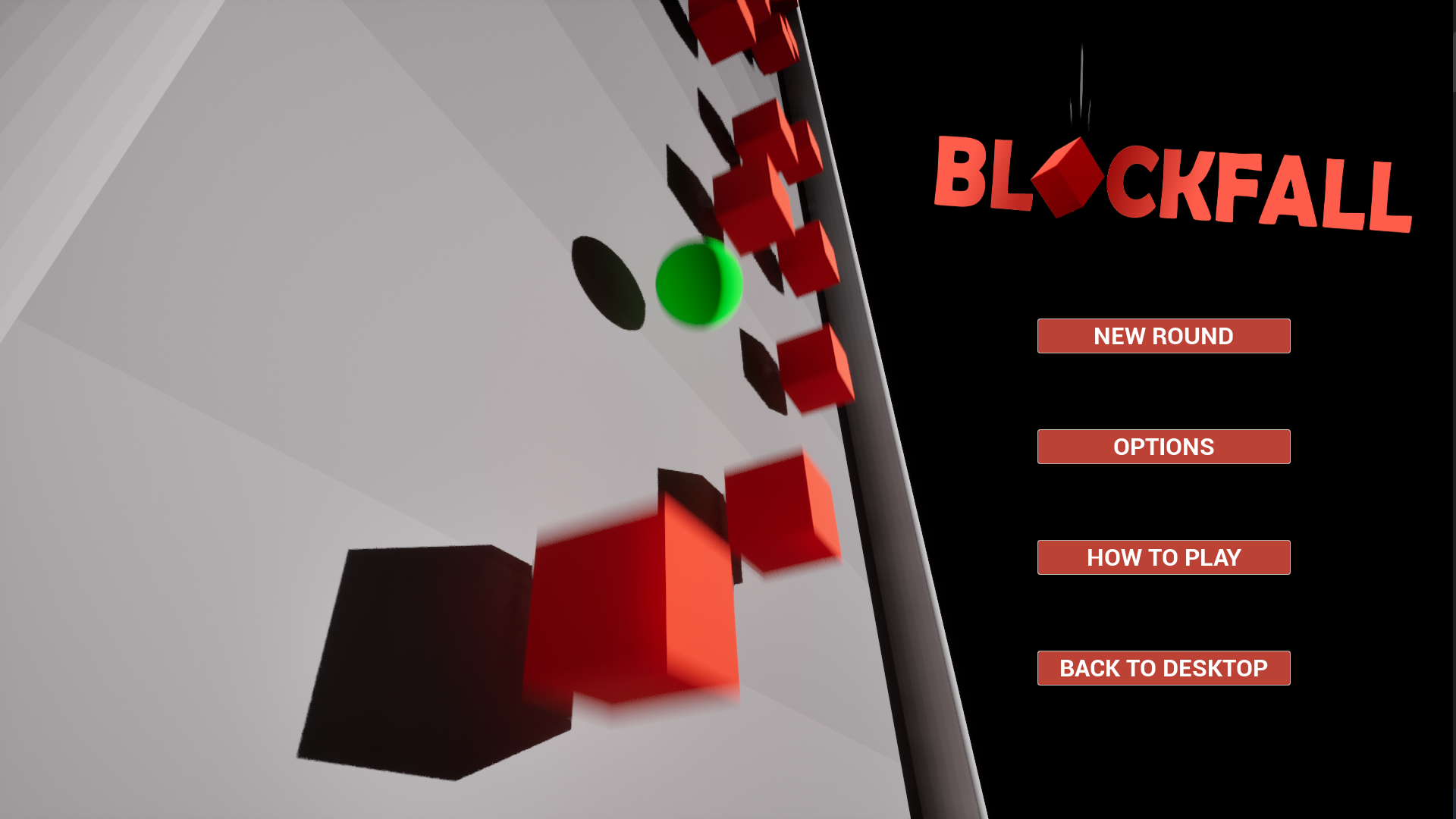
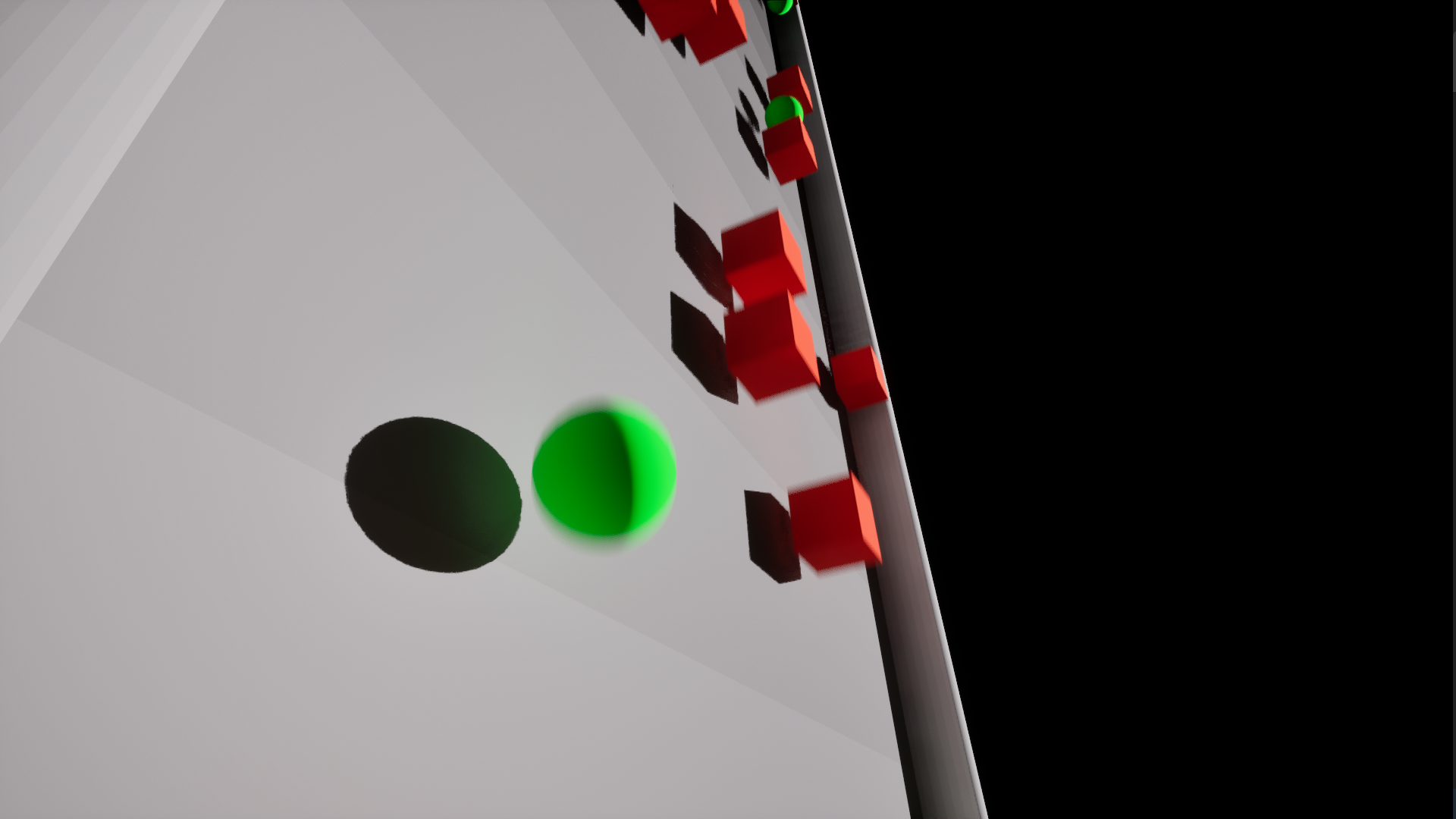
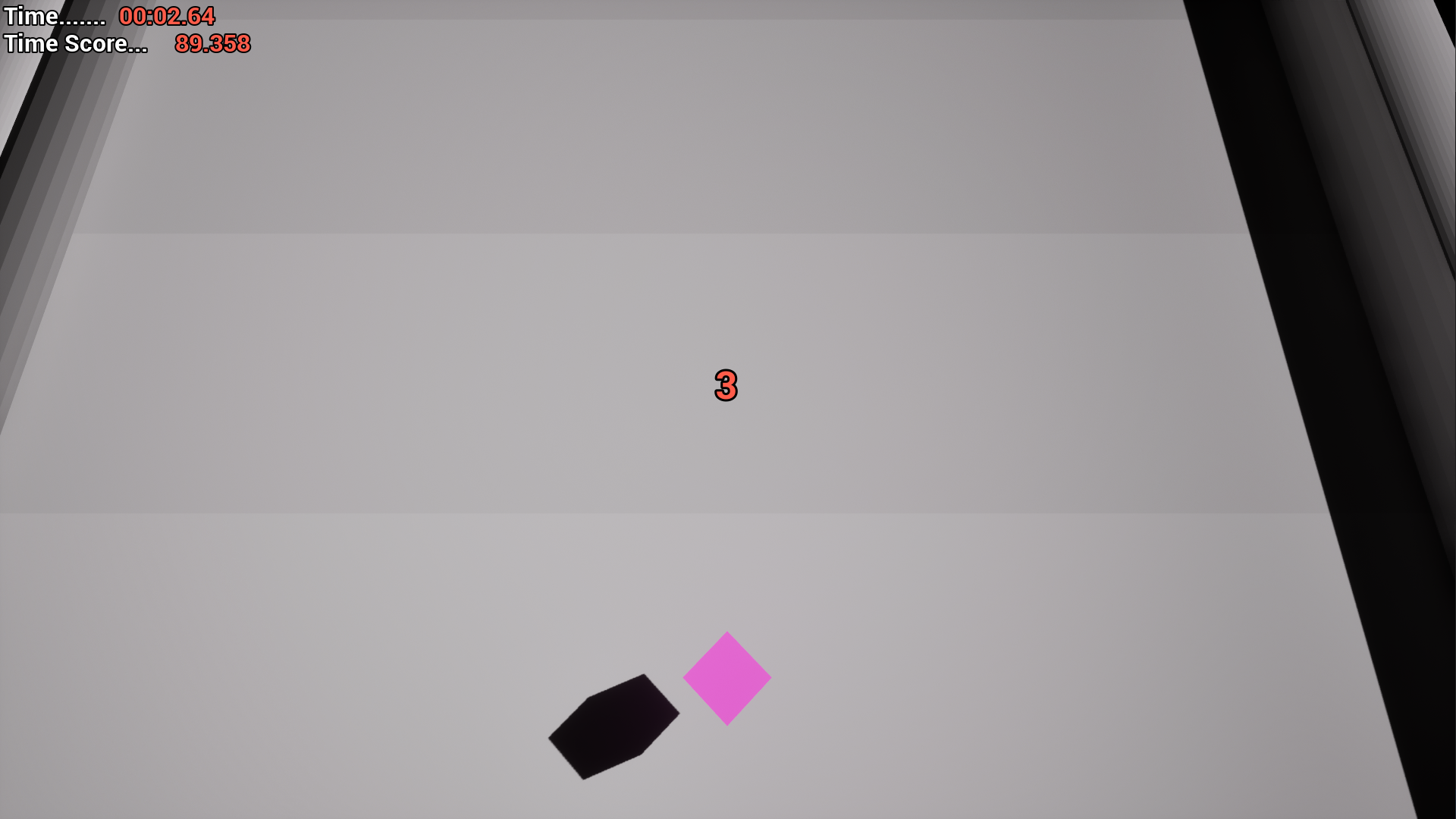
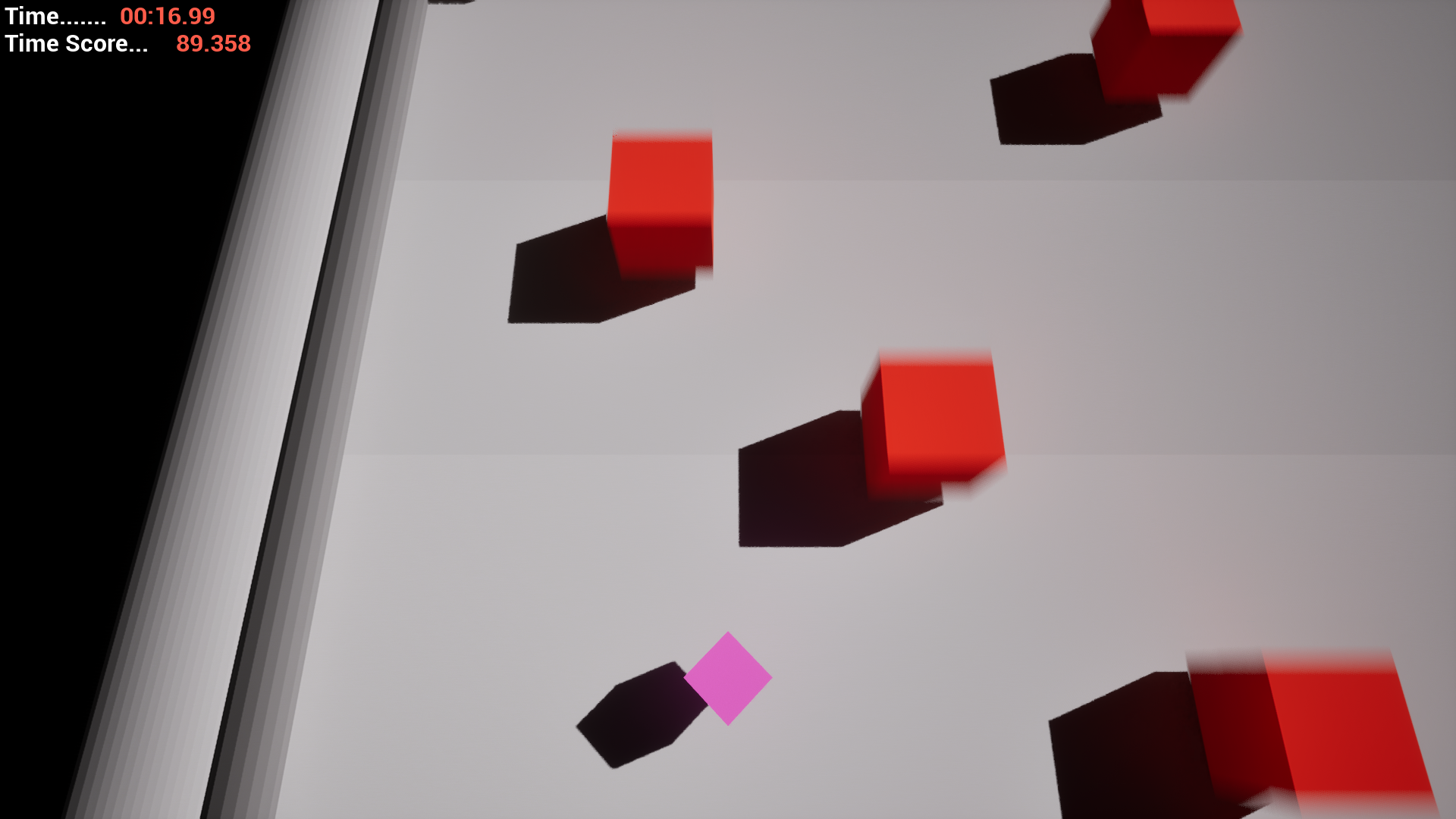
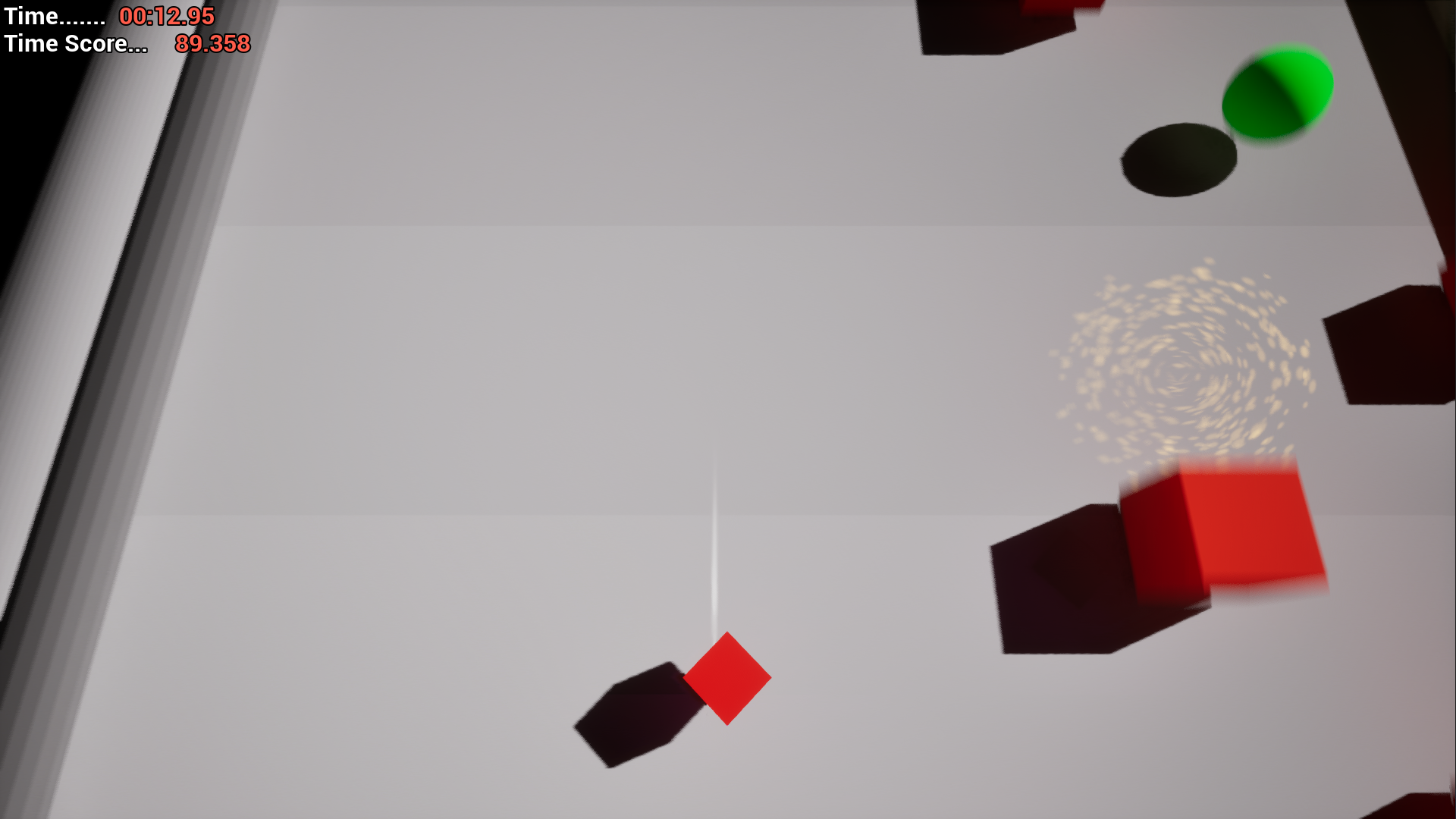
BLOCKFALL is a minimalist arcade survival game centered around spatial awareness, pressure management, and score-based mastery. Players control a pink cube that can only move left and right while orange blocks continuously fall from above, pushing the player downward toward a game-over zone.
Green orbs occasionally appear, allowing players to regain upward space and temporarily recover from pressure. The goal is simple but demanding: survive as long as possible and continuously beat your previous time score.
Role & Team
Role: Game Designer & Programmer
Team Size: Solo
Responsibilities: I was responsible for the entire development of the solo game project Blockfall.
Design Goal
The main design goal was to create a pure skill-based survival experience with extremely simple input, where difficulty emerges through system interaction rather than complexity.
The player should:
constantly feel downward pressure
make fast, readable positioning decisions
clearly understand why they succeed or fail
The strong contrast between the black & white and the saturated orange/green/pink should allow easy orientation
The design intentionally removes unnecessary mechanics to highlight player mastery and iteration.
Core Gameplay Loop
Blocks fall continuously from above
Player dodges left and right to avoid being pushed downward
Contact with blocks applies downward force
Green orbs spawn occasionally
Collecting orbs restores vertical position
Timer tracks survival time
Game ends when the player reaches the game-over zone
Restart and attempt to beat the previous score
The loop is designed to be fast, readable, and repeatable, encouraging constant retries and improvement.
Mechanics & Systems Design
Falling Block Pressure System
Orange blocks apply instant downward force and destroy them selfs
Players can recover after the mistake
Different shades in the Background show the relative difference in playerposition after a hit
Recovery Mechanic (Green Orbs)
Green orbs serve as a risk–reward element
Moving toward them may increase exposure to falling blocks
inattentive player could be moved in Blocks right above the green Orb, and be moved back down
They introduce momentary relief without removing overall pressure
Scoring System
The timer functions as the primary score
Encourages optimization of positioning and movement efficiency
Naturally supports replayability without additional progression systems
Design Decisions & Trade-offs
Decision:
Limit player movement to left and right only.
Reasoning:
This constraint:
reduces cognitive load
increases readability under pressure
shifts difficulty toward timing and spatial anticipation
Trade-off:
Less mechanical variety, but stronger focus on mastery and clarity.
Playtesting & iteration
Playtests revealed:
players quickly understood the rules
difficulty ramp needed careful tuning to avoid early frustration
Iterations:
adjusted block fall speed curves
tweaked orb spawn frequency
refined collision feedback for clearer cause-and-effect
These changes improved pacing and made failures feel more fair and understandable.
Key Learnings
Simple mechanics can create deep challenge when combined thoughtfully
Pressure-based failure is more engaging than instant loss
Clear rules significantly improve player motivation to retry
Constraint-driven design strengthens focus and readability
Shooter Arena Map - 3D Arena Shooter - 2024
Project Overview
This is an arena shooter map, part of a fictional first-person multiplayer shooter game called "SPIRIT VS." The game's mechanics include shooting, running, jumping, and grappling. An asymmetrical arena was supposed to be designed for this.
I structured this map in two floorlevels, focusing on flow and combat, for the Team Deathmatch mode.
One of the main challenges was preventing players from only entrenching themselves on the upper levels, given the potential for downward fire.
Role & Team
Role: Level Design
Team Size: Solo
1. Map Layout & Spawnpoints
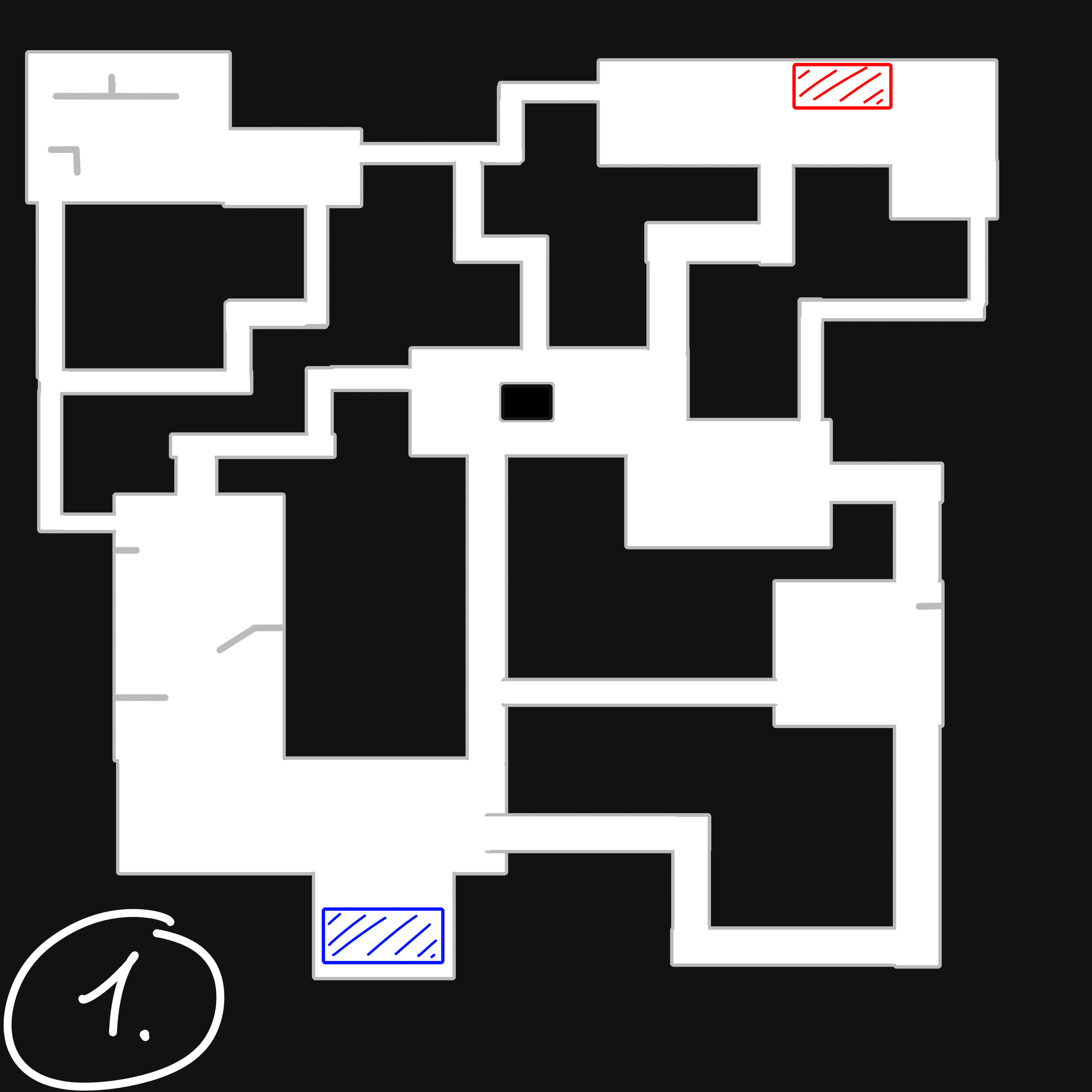
The map consists of two starting areas, several interlocking corridors, and a central main spawn point, complemented by two secondary spawn points on the sides. The asymmetrical structure ensures varied rounds, as players cannot directly compare their own side with the enemy. A second, elevated level above the spawn points offers tactical advantages through better lines of sight, but is balanced by separate platforms. The labyrinthine layout, without a minimap, makes orientation difficult and favors experienced players, as they must memorize the map. The two main spawn areas are symmetrically positioned but offer different routes to the center to create variety. Both spawn zones are protected, so players cannot be directly attacked after respawning. From there, several routes with different elevation levels and lines of sight lead into the playing field, allowing for tactical variety upon respawning.
2. Wayfinding
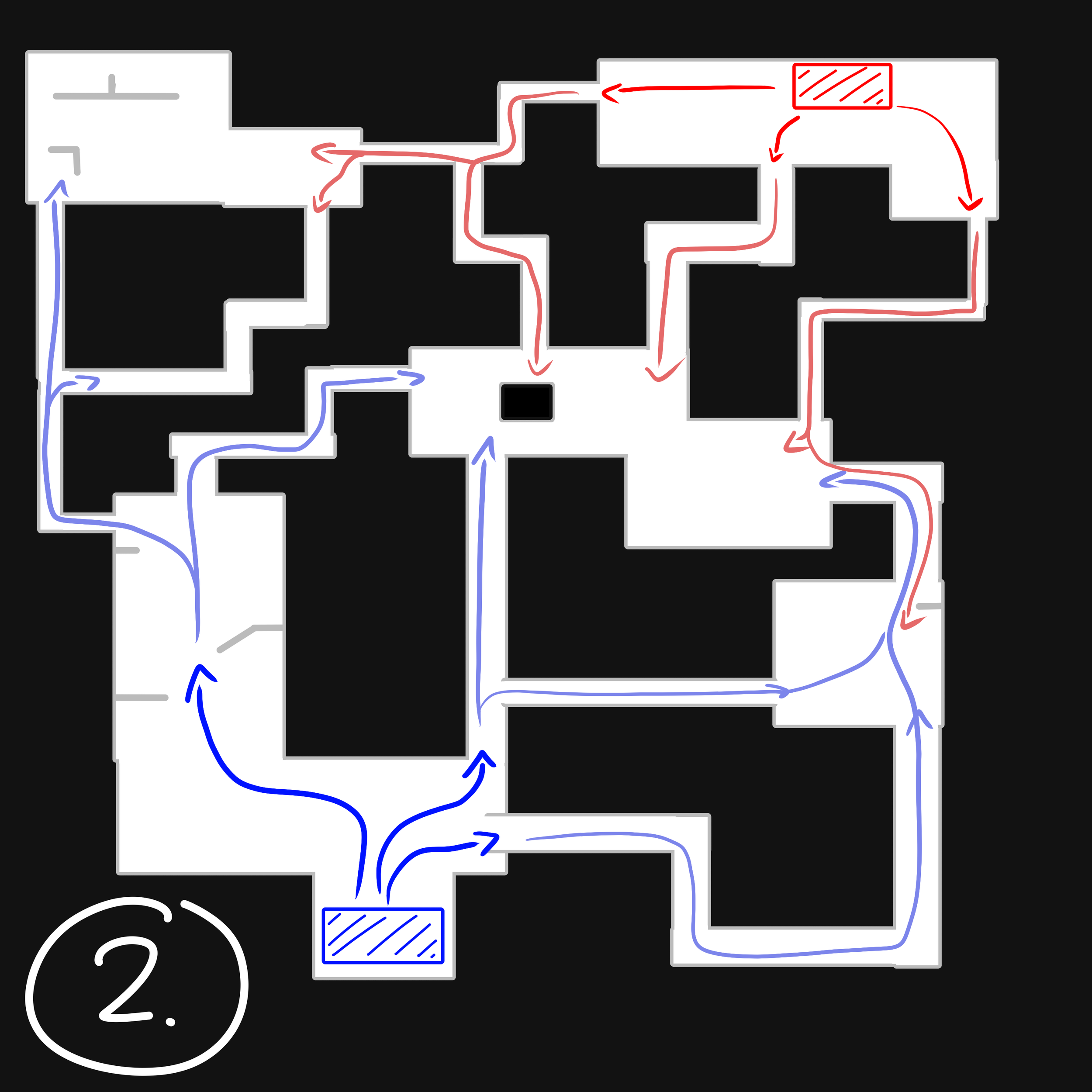
Both teams have as similar options for finding their way to their respective desired destination as possible. This primarily applies to the beginning of a turn, where the teams initially move toward each other in order to meet up. Both spawn points each have three paths out of their starting area, whereby the team members can agree on who goes where and whether the team wants to split up. In addition, both teams have the same number of corridors to the center of the map, 10, which would allow for an even encounter if both teams were to head directly to the central area.
3. Choke Points & Clash Points
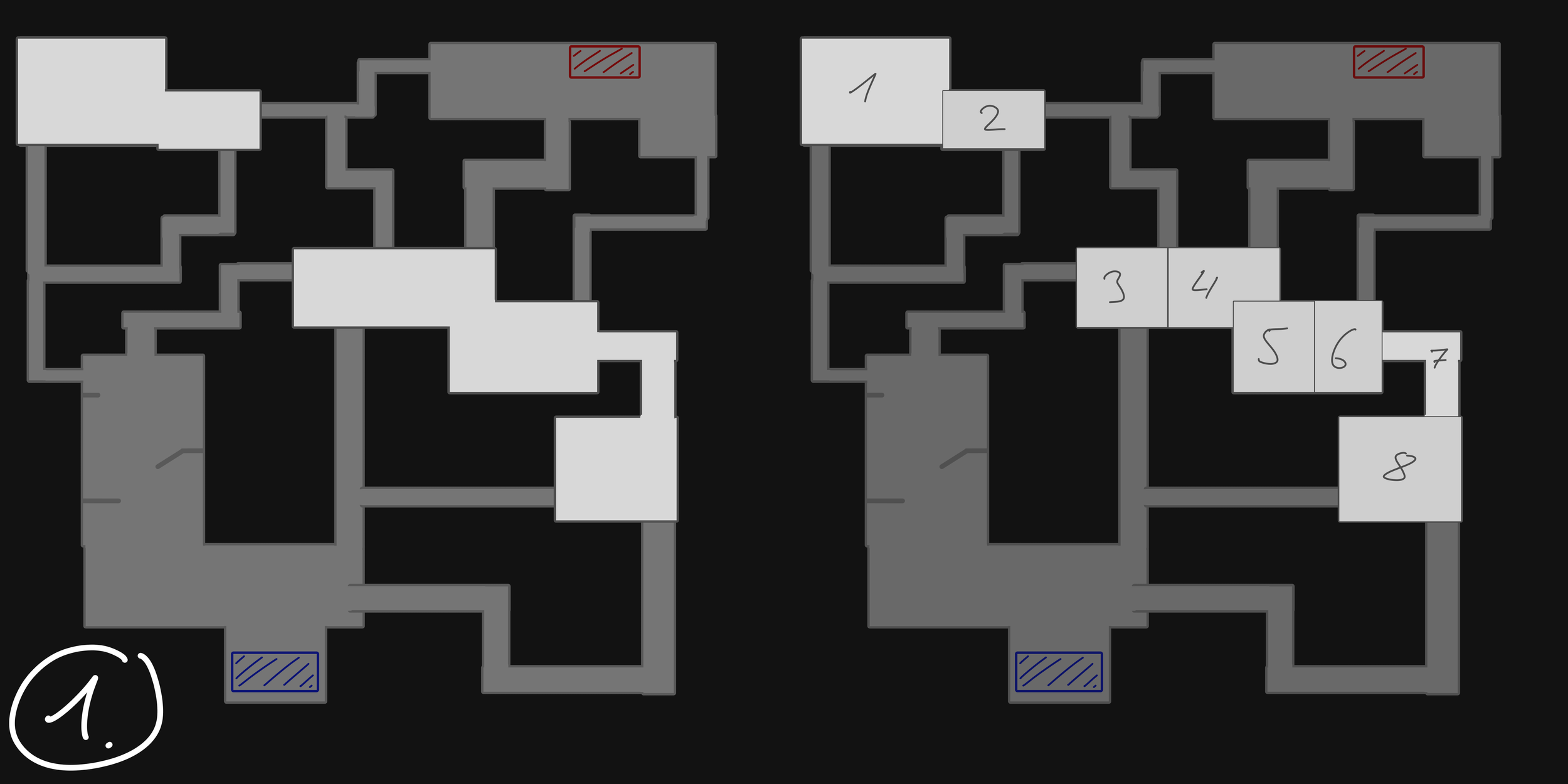
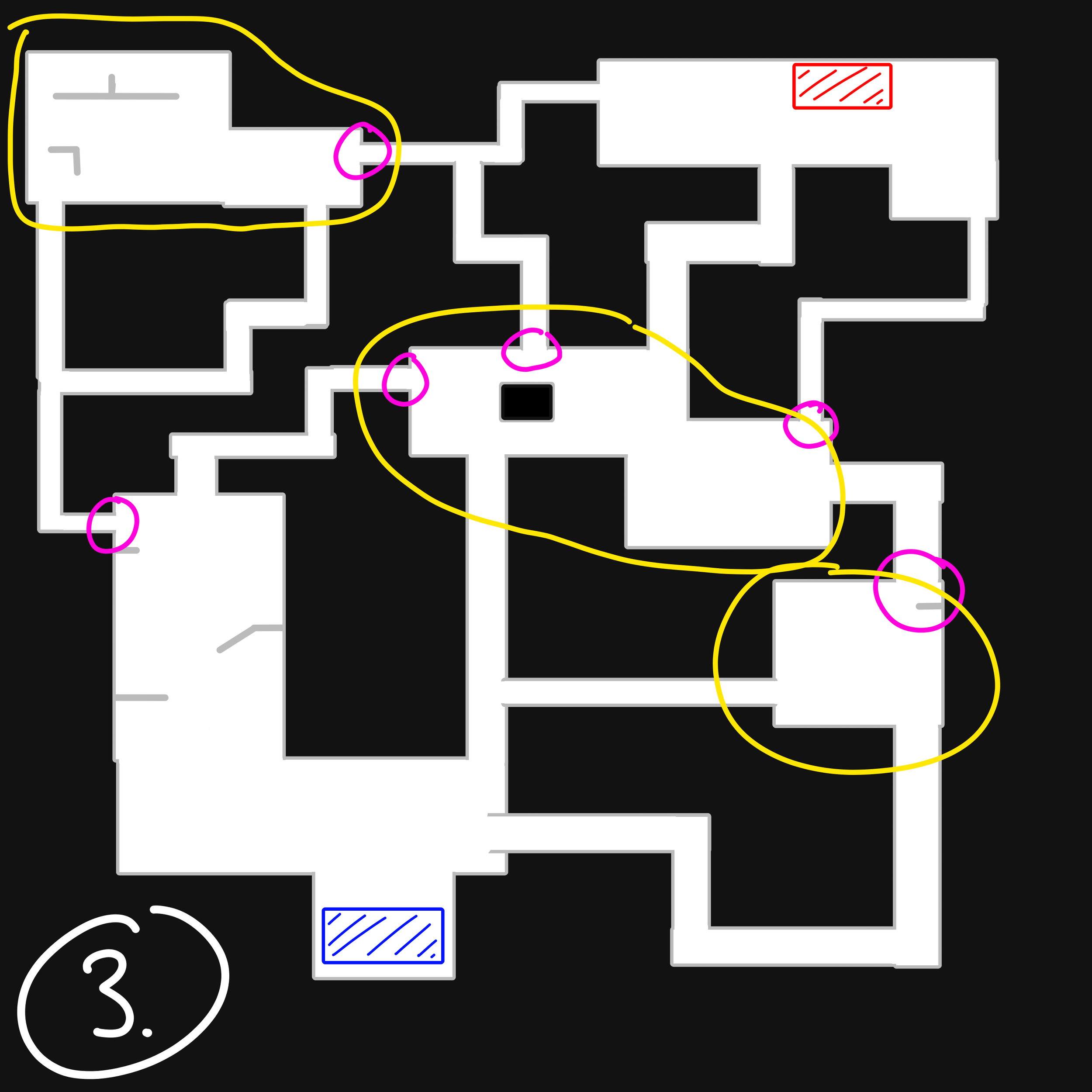
In Figure 3, clash points are marked yellow and choke points are marked pink. Here you can see the most important choke points. The most important choke points lead to the clash points, as this is where most players will gather, which is what makes a choke point so tactically relevant. At the Clash Points, an equal number of corridors lead to each player's starting side. These corridors lead the player organically to the corresponding rooms where a clash is planned.
4. Cable Railway
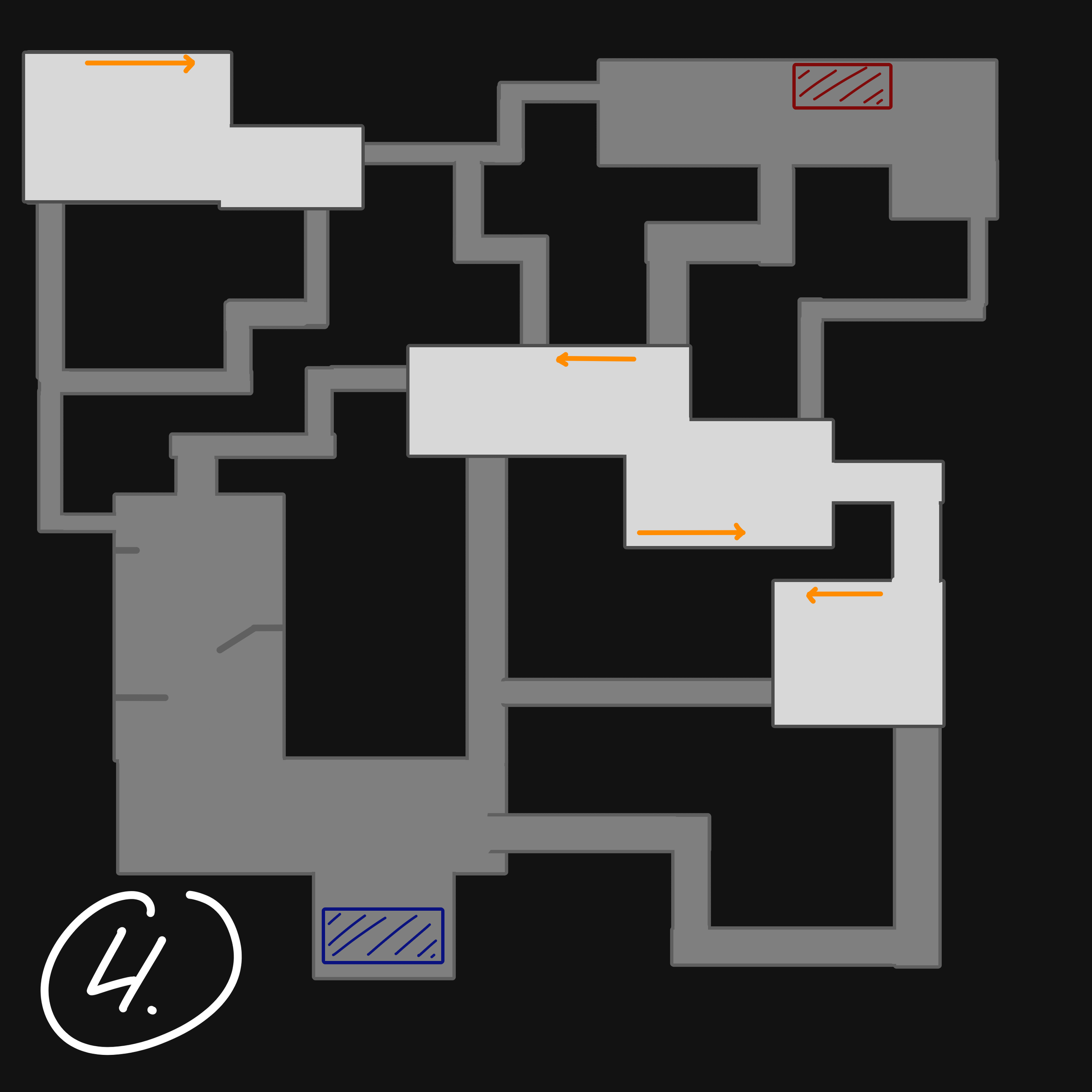
The Cable Railway provides a central fast-travel option between the two main gathering points. It allows players to quickly change levels and intervene in battles by surprise. However, because it is open and easily attacked, its use carries high risk but offers tactical advantages when used successfully.
5. Deactivate Platforms
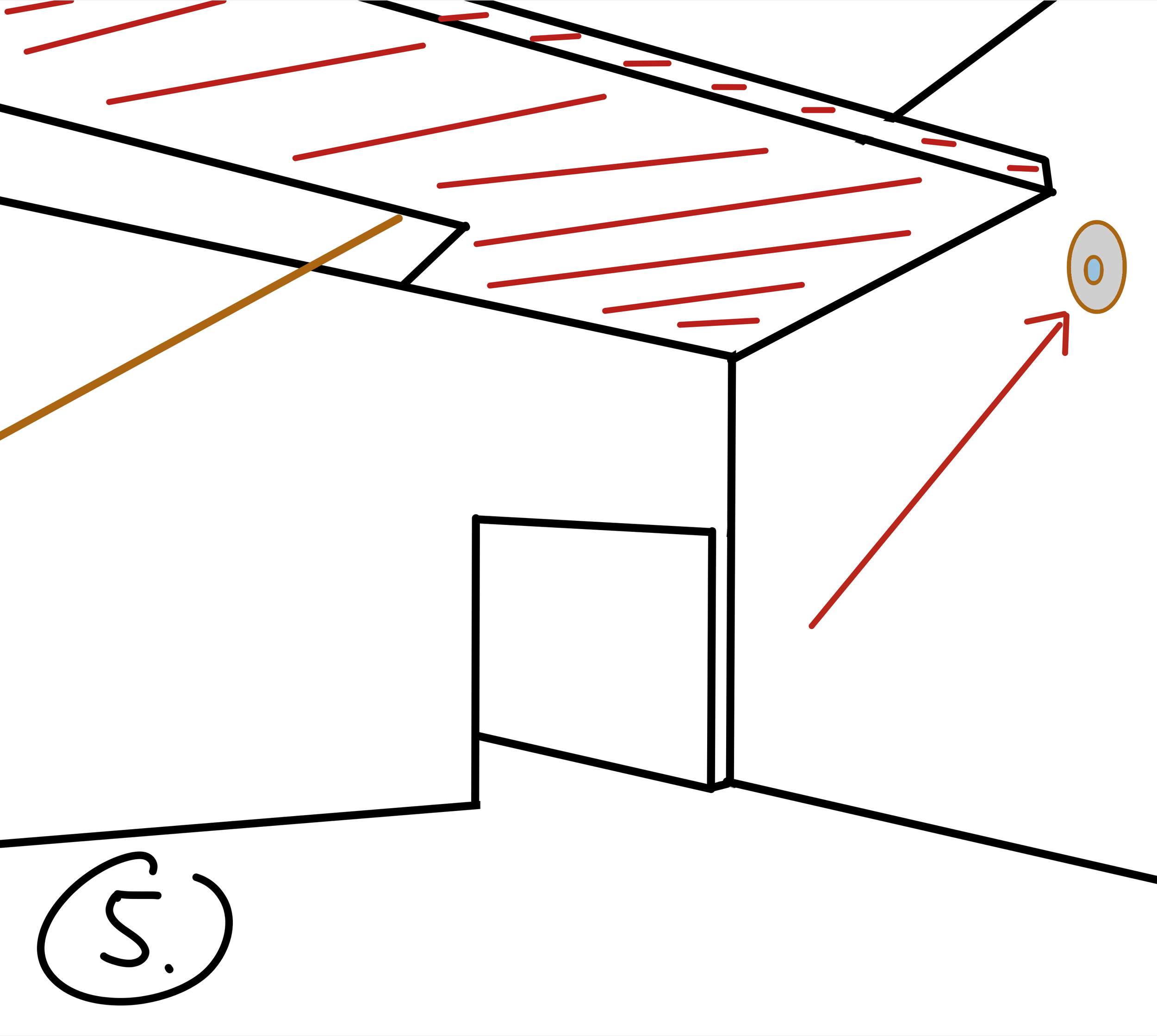
Players can temporarily deactivate the platforms above the staging points by shooting at nearby targets. This changes paths, cover options, and elevation advantages, dynamically influencing the flow of the game. The mechanic is intended to promote tactics and team coordination, as the right timing when deactivating can be crucial to success.
6. Loot
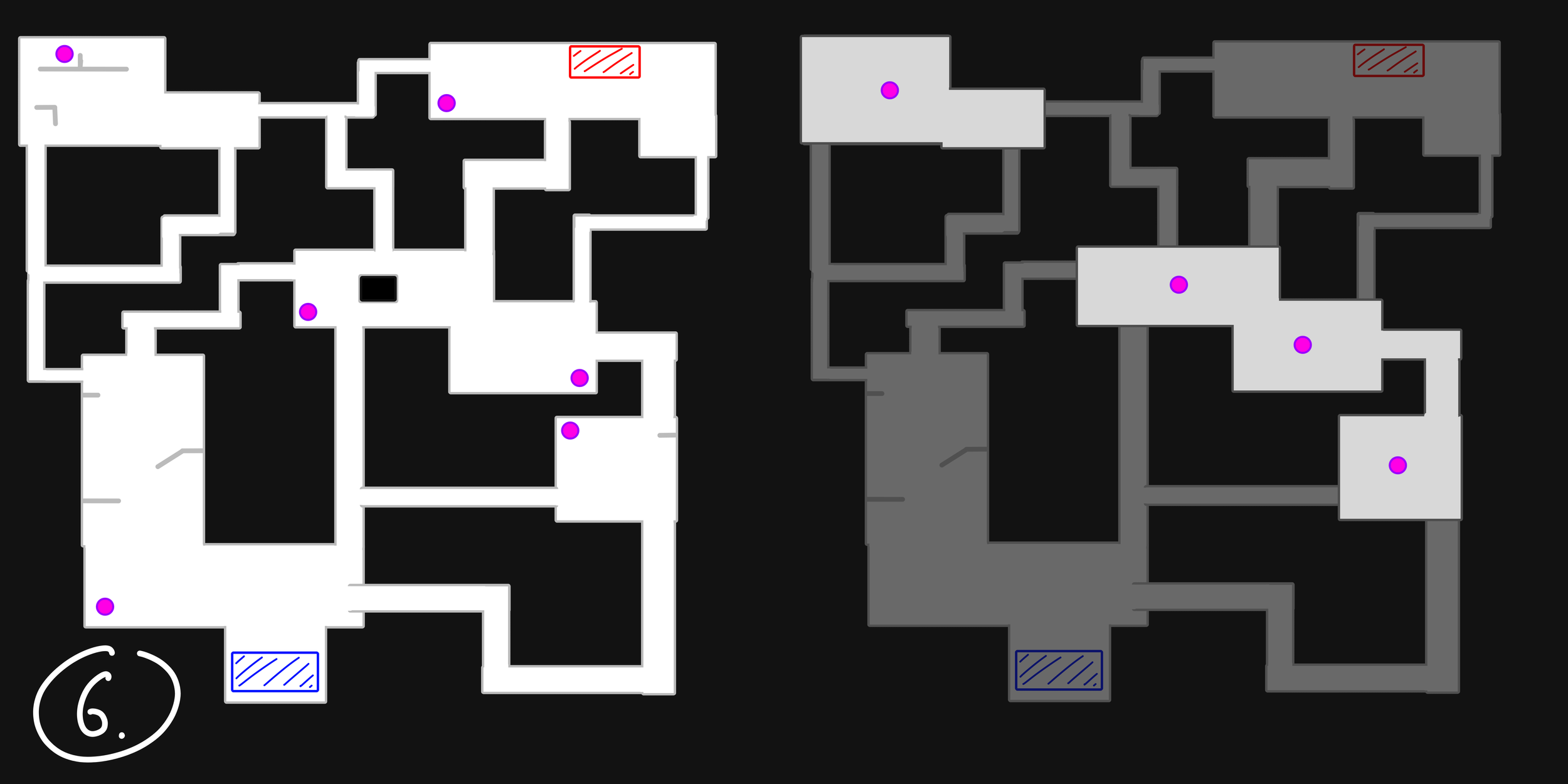
Loot regularly spawns on the map, granting players temporary advantages such as stronger weapons or healing. Each spawn point is marked as a pink dot. The loot is evenly distributed across the map, with particularly valuable items appearing in riskier locations. This creates a strategic risk-reward system that motivates players to actively move around the map.
ITCH.IO
ARTSTATION