Shooter Arena Map
3D Arena Shooter
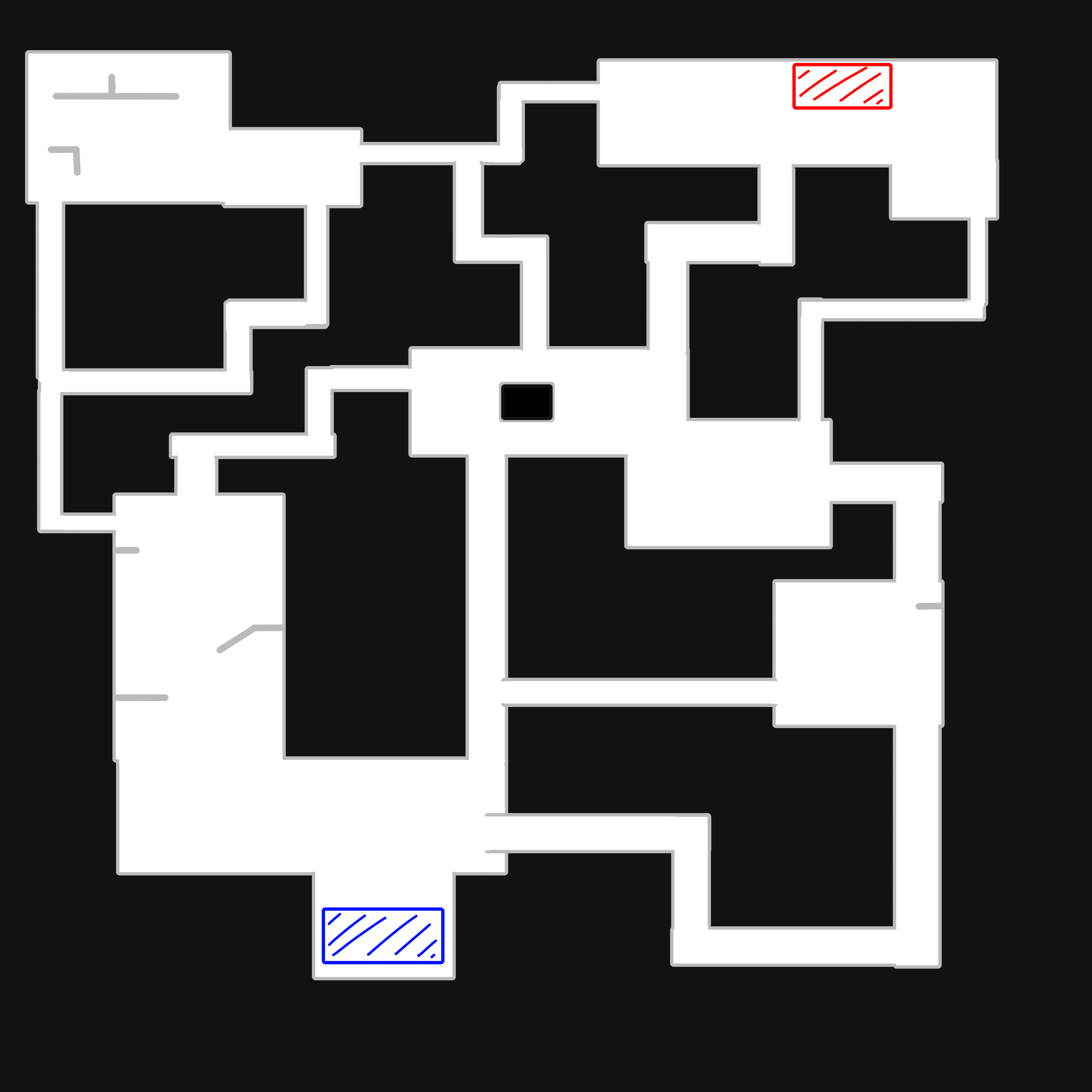
This is an arena shooter map, part of a fictional first-person multiplayer shooter game called "SPIRIT VS." The game's mechanics include shooting, running, jumping, and grappling. An asymmetrical arena was supposed to be designed for this.
I structured this map in two floorlevels, focusing on flow and combat, for the Team Deathmatch mode.
One of the main challenges was preventing players from only entrenching themselves on the upper levels, given the potential for downward fire.

-
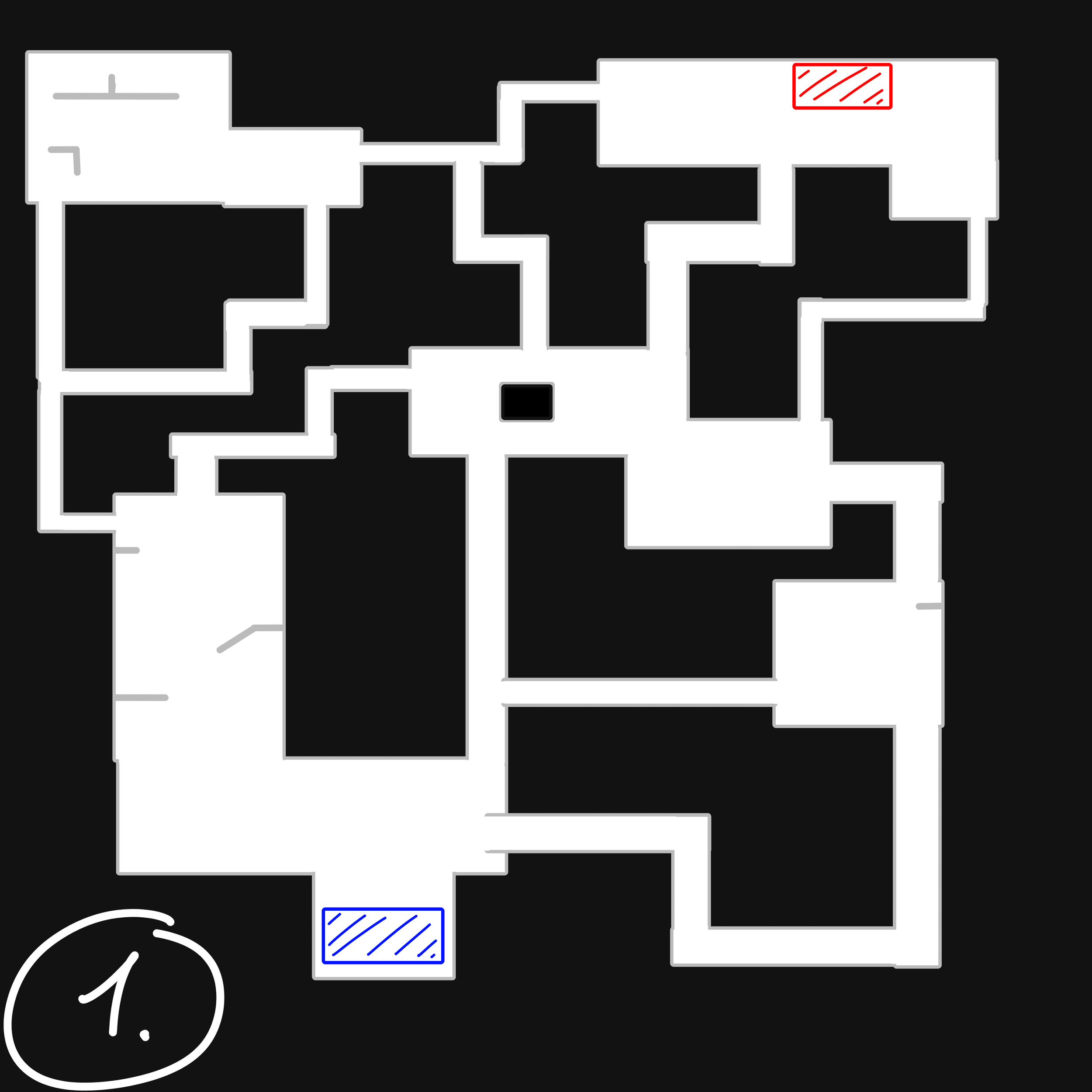
The map consists of two starting areas, several interlocking corridors, and a central main spawn point, complemented by two secondary spawn points on the sides.
The asymmetrical structure ensures varied rounds, as players cannot directly compare their own side with the enemy.
A second, elevated level above the spawn points offers tactical advantages through better lines of sight, but is balanced by separate platforms.
The labyrinthine layout, without a minimap, makes orientation difficult and favors experienced players, as they must memorize the map.
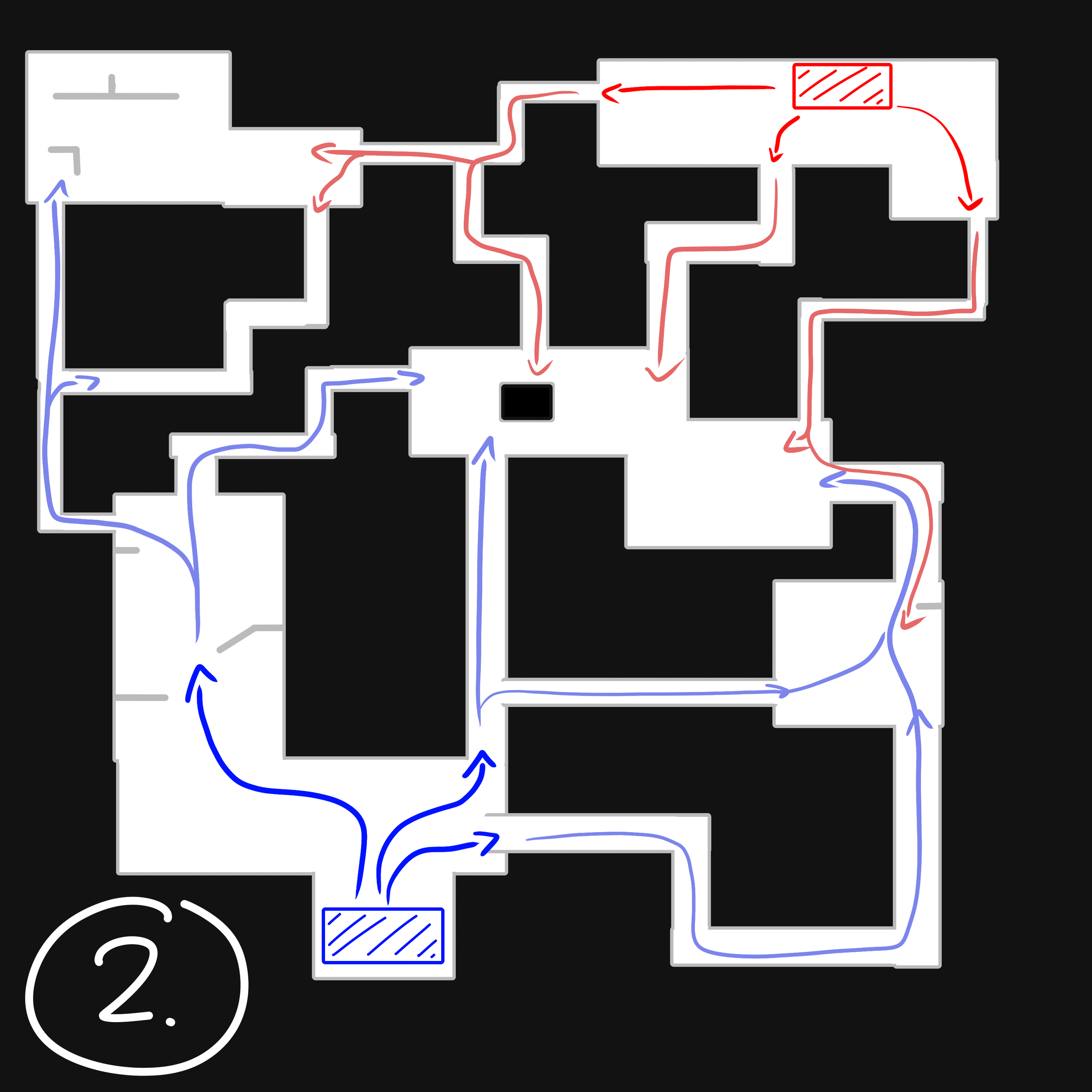
The two main spawn areas are symmetrically positioned but offer different routes to the center to create variety.
Both spawn zones are protected, so players cannot be directly attacked after respawning.
From there, several routes with different elevation levels and lines of sight lead into the playing field, allowing for tactical variety upon respawning.
-
Both teams have as similar options for finding their way to their respective desired destination as possible. This primarily applies to the beginning of a turn, where the teams initially move toward each other in order to meet up. Both spawn points each have three paths out of their starting area, whereby the team members can agree on who goes where and whether the team wants to split up. In addition, both teams have the same number of corridors to the center of the map, 10, which would allow for an even encounter if both teams were to head directly to the central area.
-
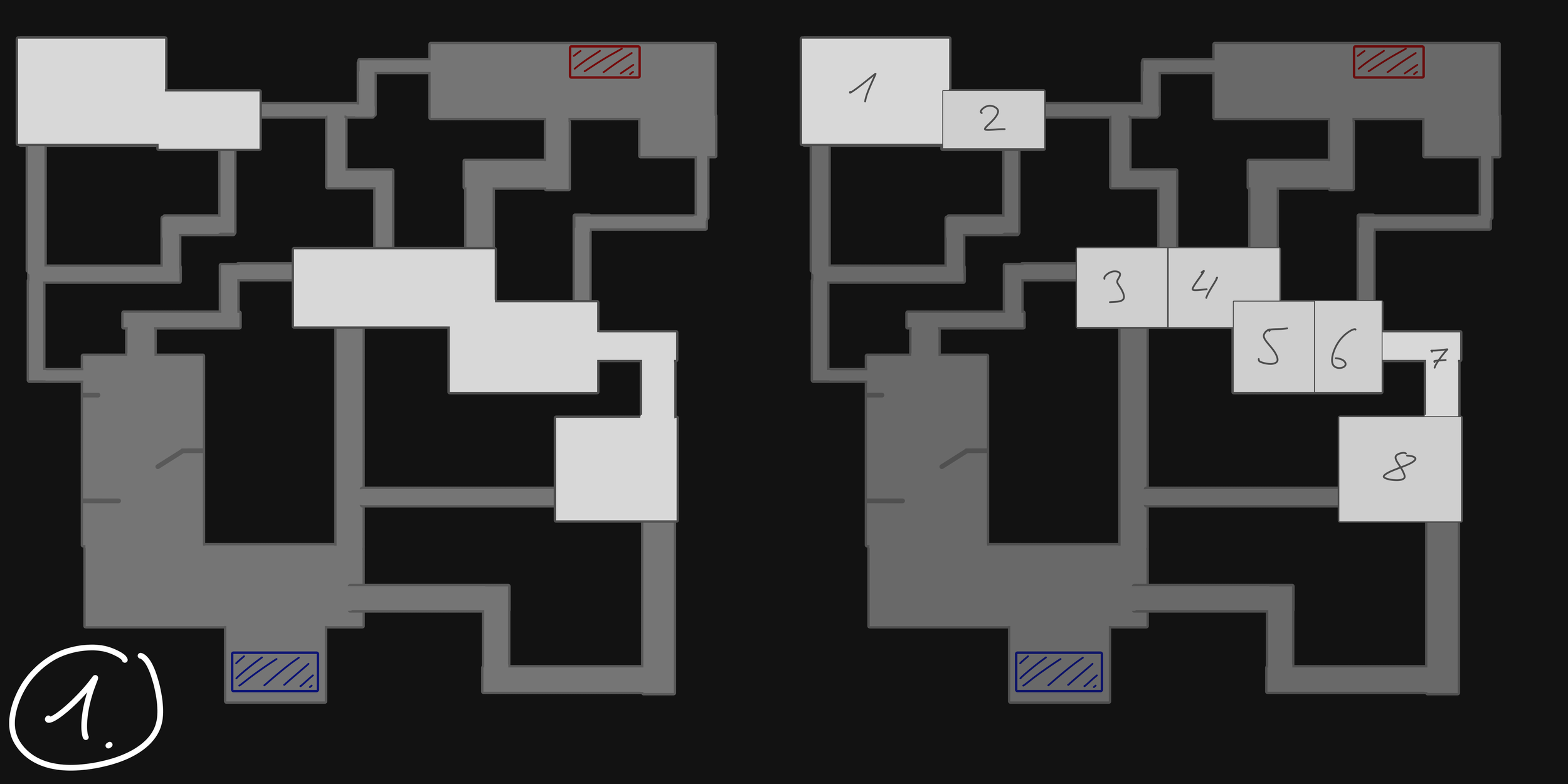
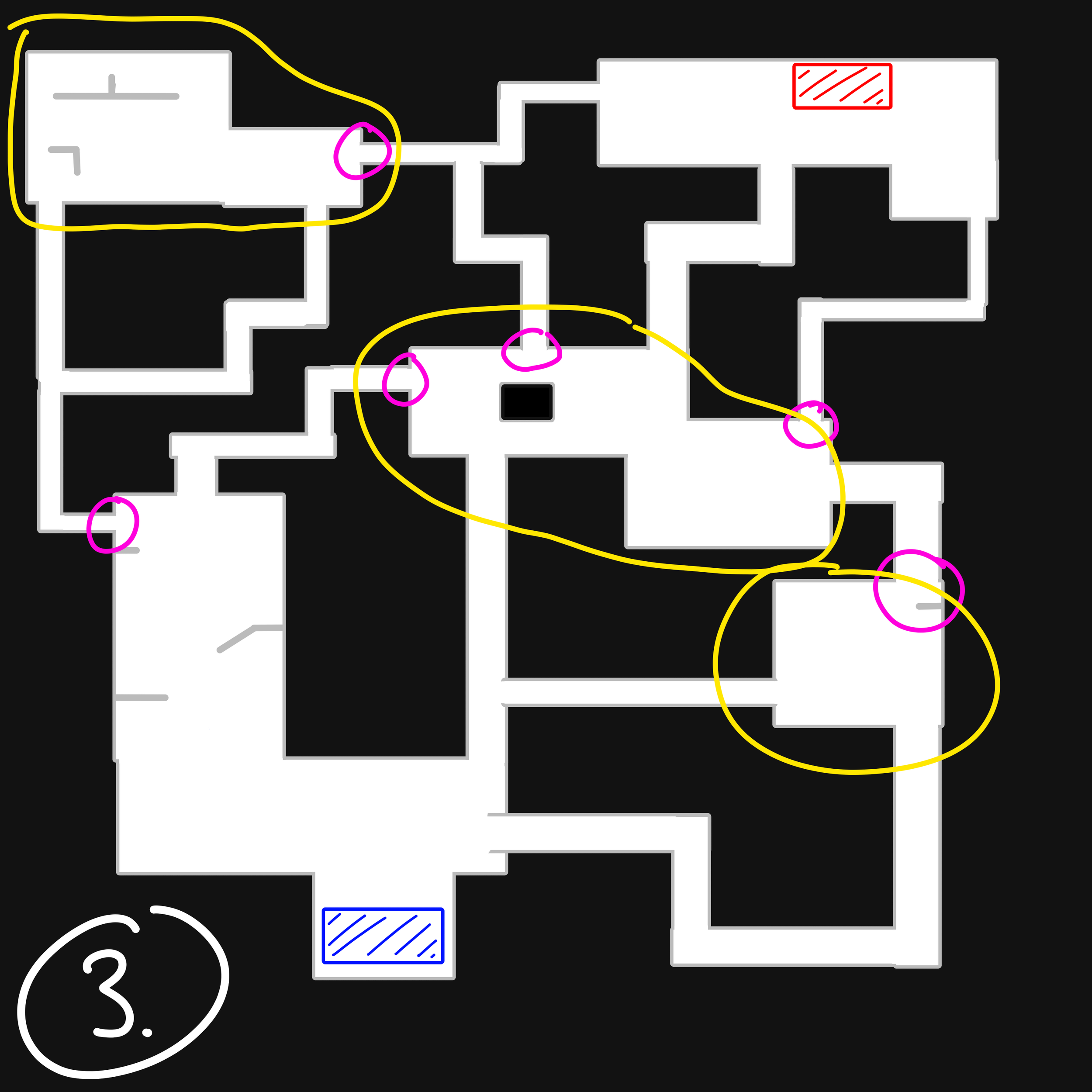
In Figure 3, clash points are marked yellow and choke points are marked pink. Here you can see the most important choke points.
The most important choke points lead to the clash points, as this is where most players will gather, which is what makes a choke point so tactically relevant.
At the Clash Points, an equal number of corridors lead to each player's starting side. These corridors lead the player organically to the corresponding rooms where a clash is planned.
-
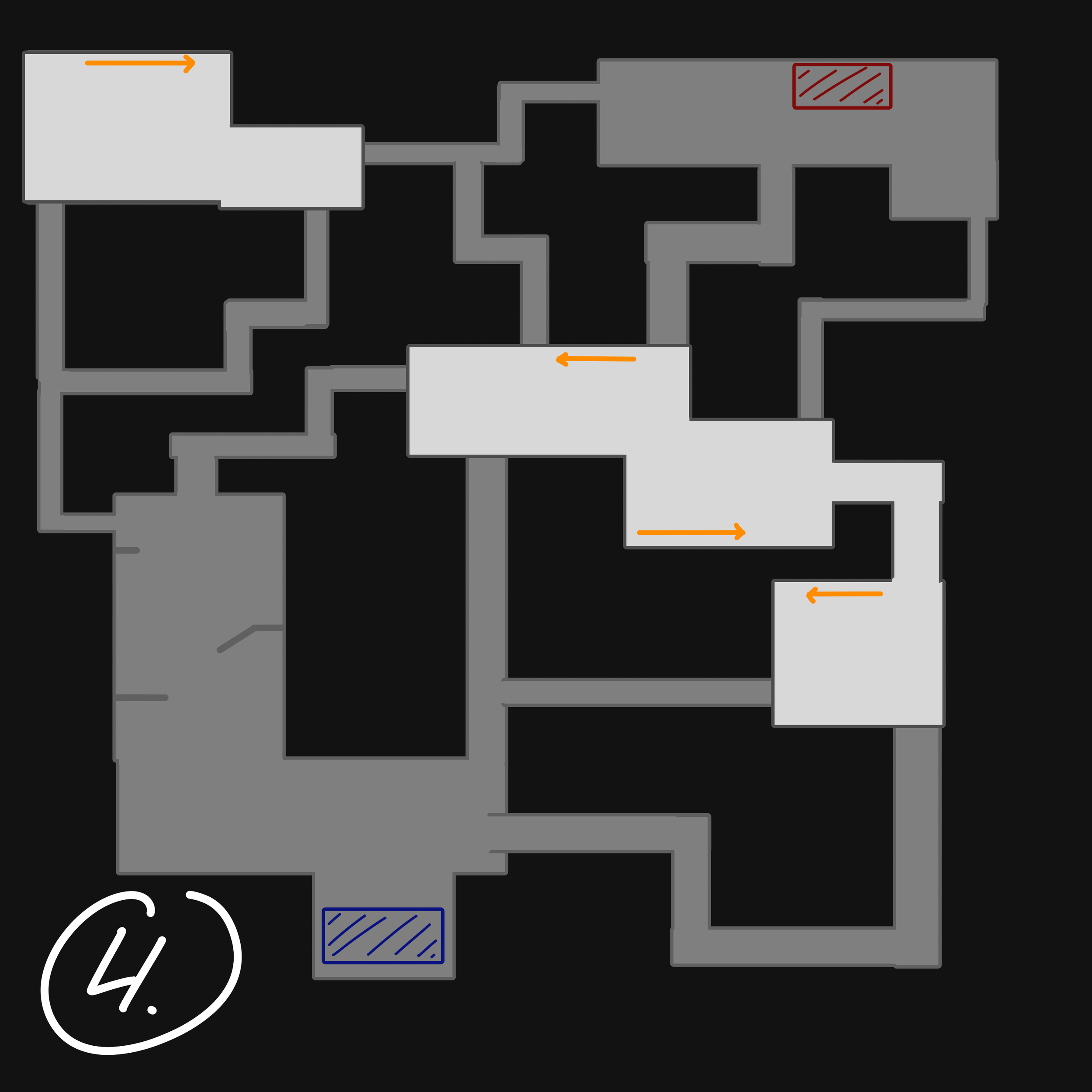
The Cable Railway provides a central fast-travel option between the two main gathering points.
It allows players to quickly change levels and intervene in battles by surprise.
However, because it is open and easily attacked, its use carries high risk but offers tactical advantages when used successfully.
-
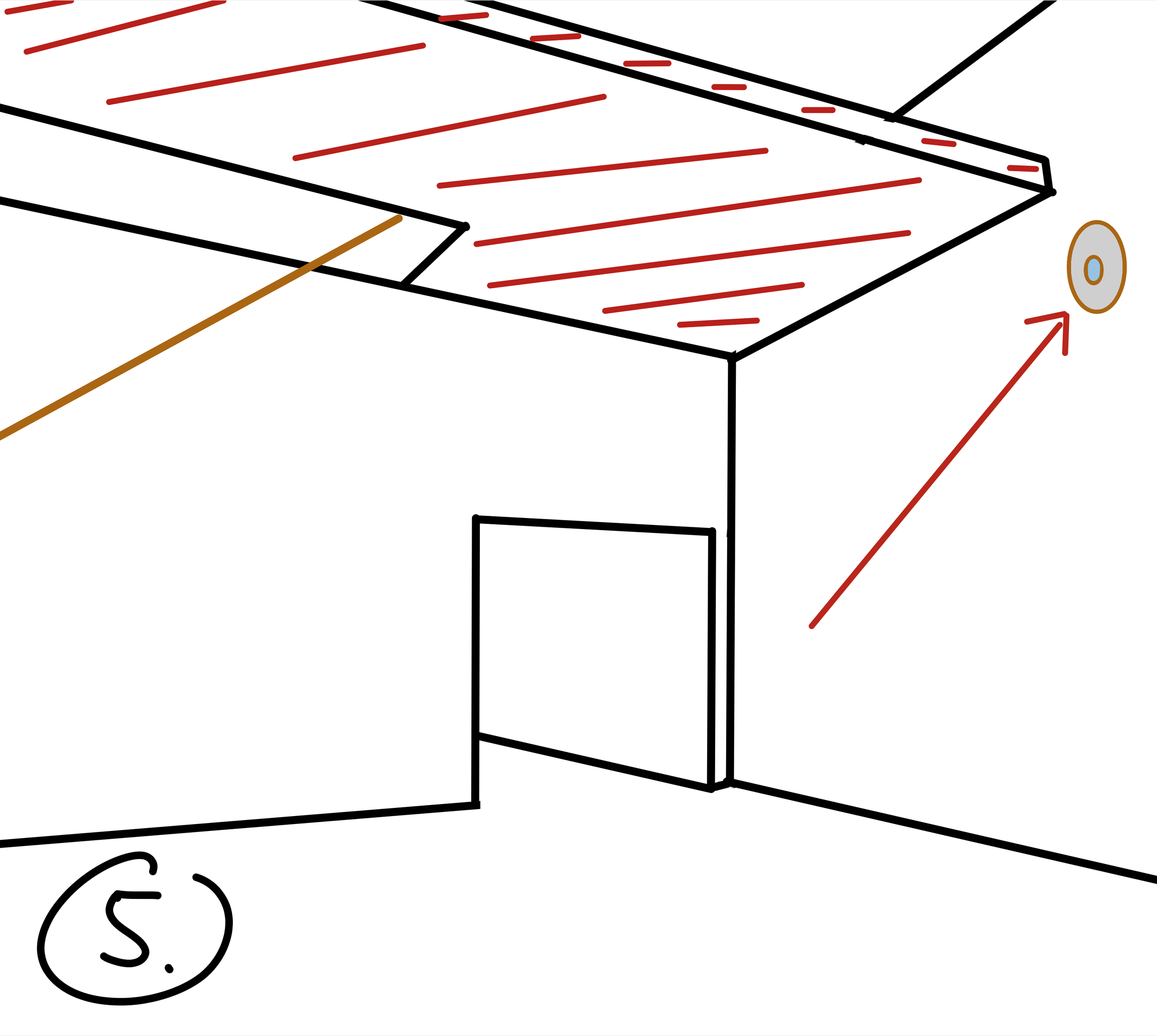
Players can temporarily deactivate the platforms above the staging points by shooting at nearby targets.
This changes paths, cover options, and elevation advantages, dynamically influencing the flow of the game.
The mechanic is intended to promote tactics and team coordination, as the right timing when deactivating can be crucial to success.
-
Loot regularly spawns on the map, granting players temporary advantages such as stronger weapons or healing. Each spawn point is marked as a pink dot.
The loot is evenly distributed across the map, with particularly valuable items appearing in riskier locations.
This creates a strategic risk-reward system that motivates players to actively move around the map.